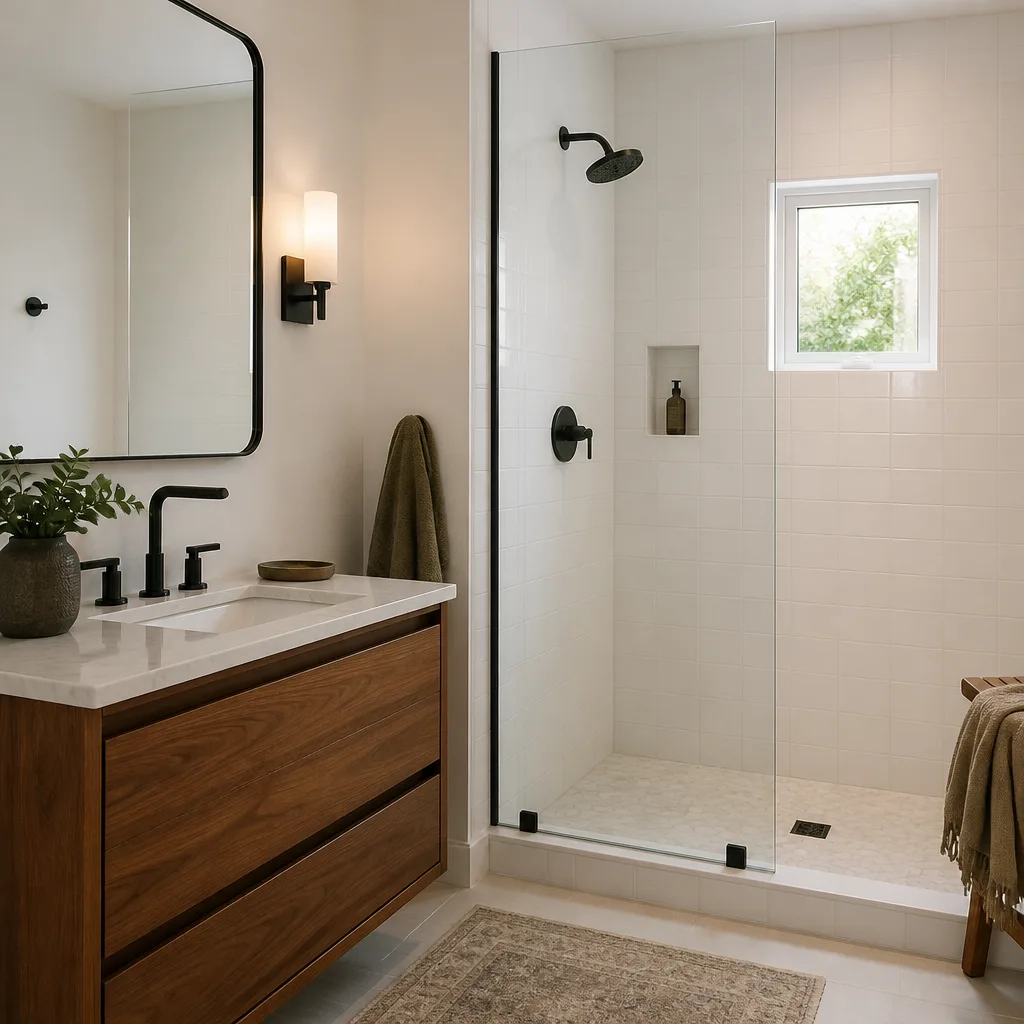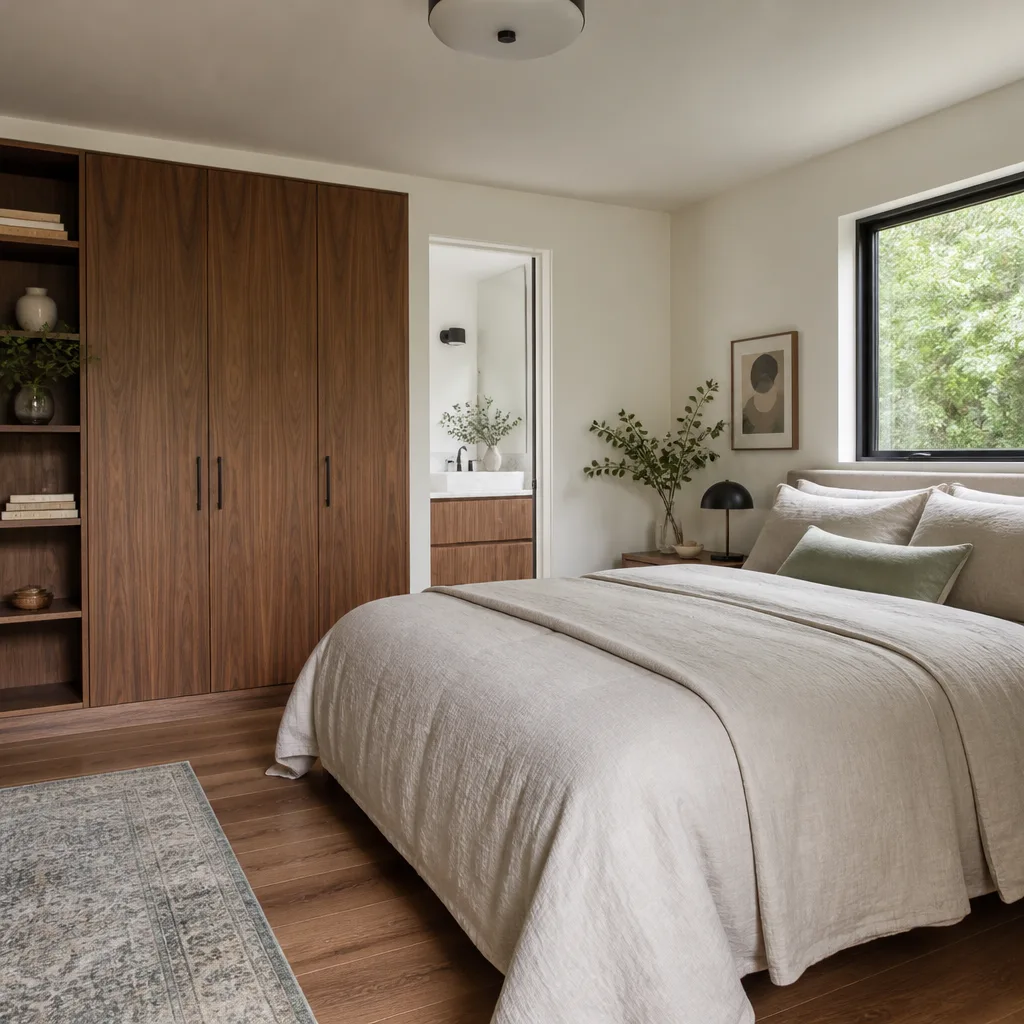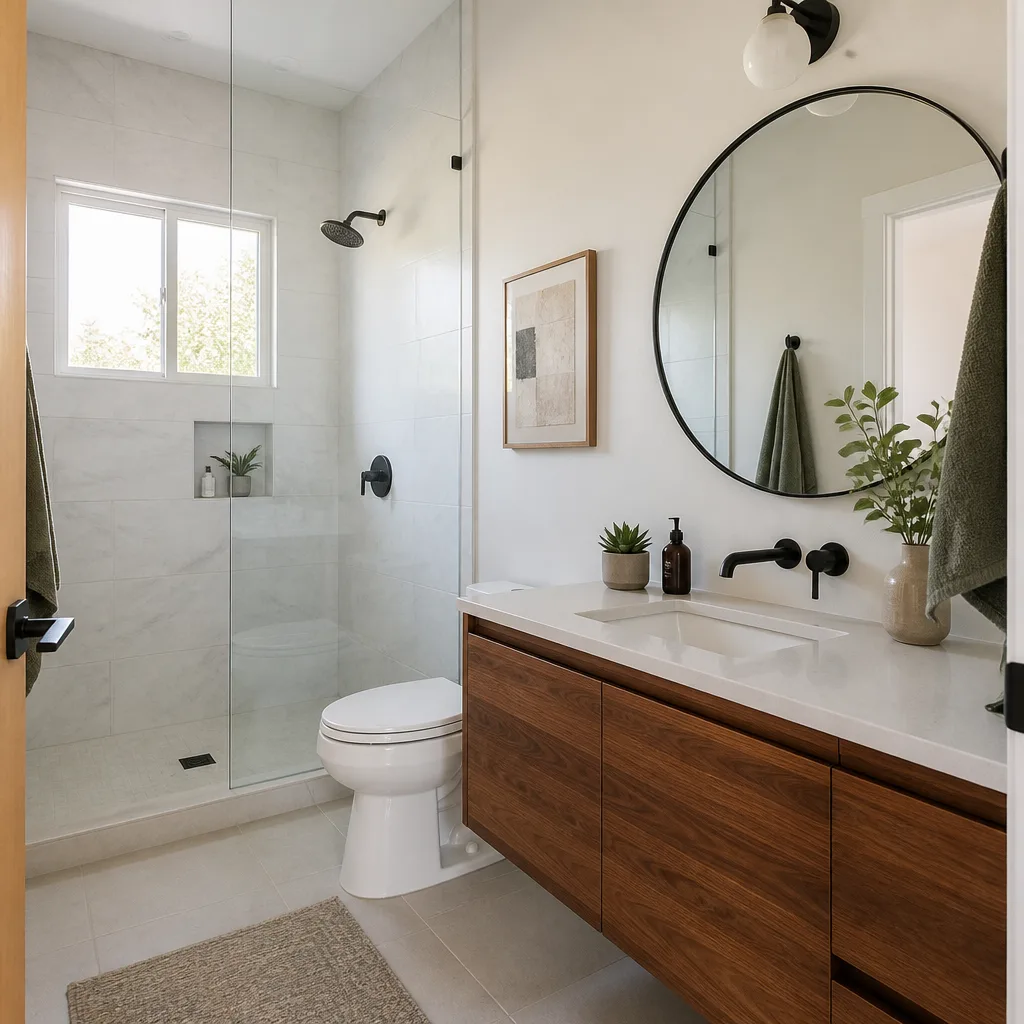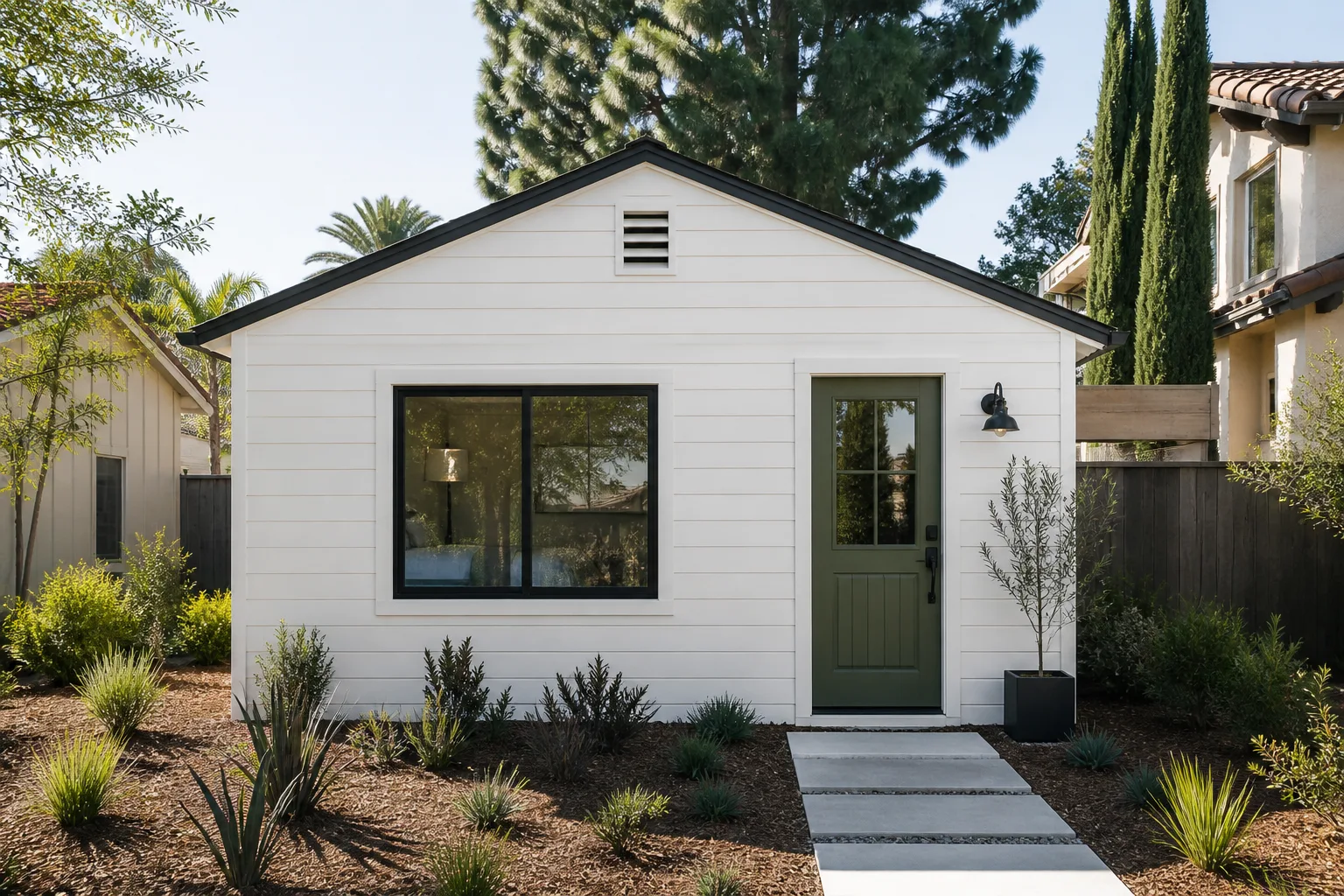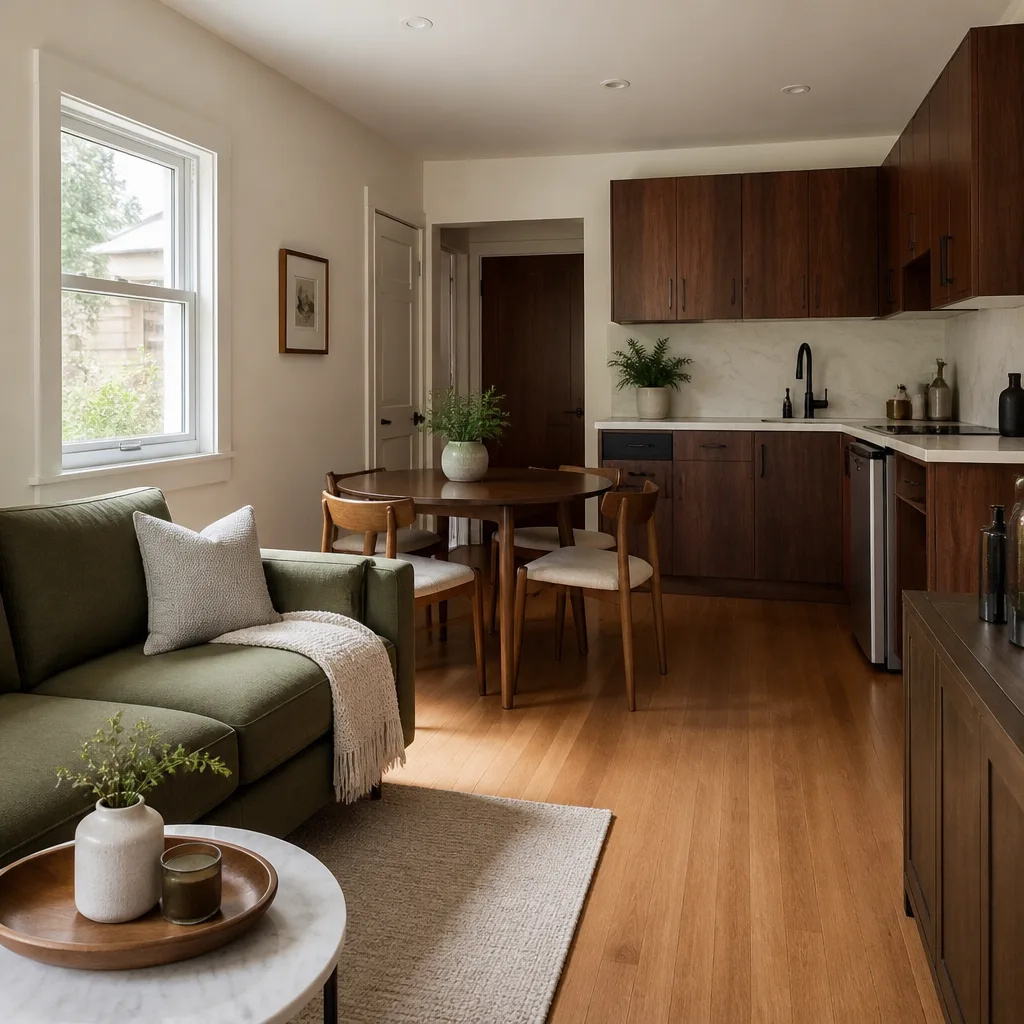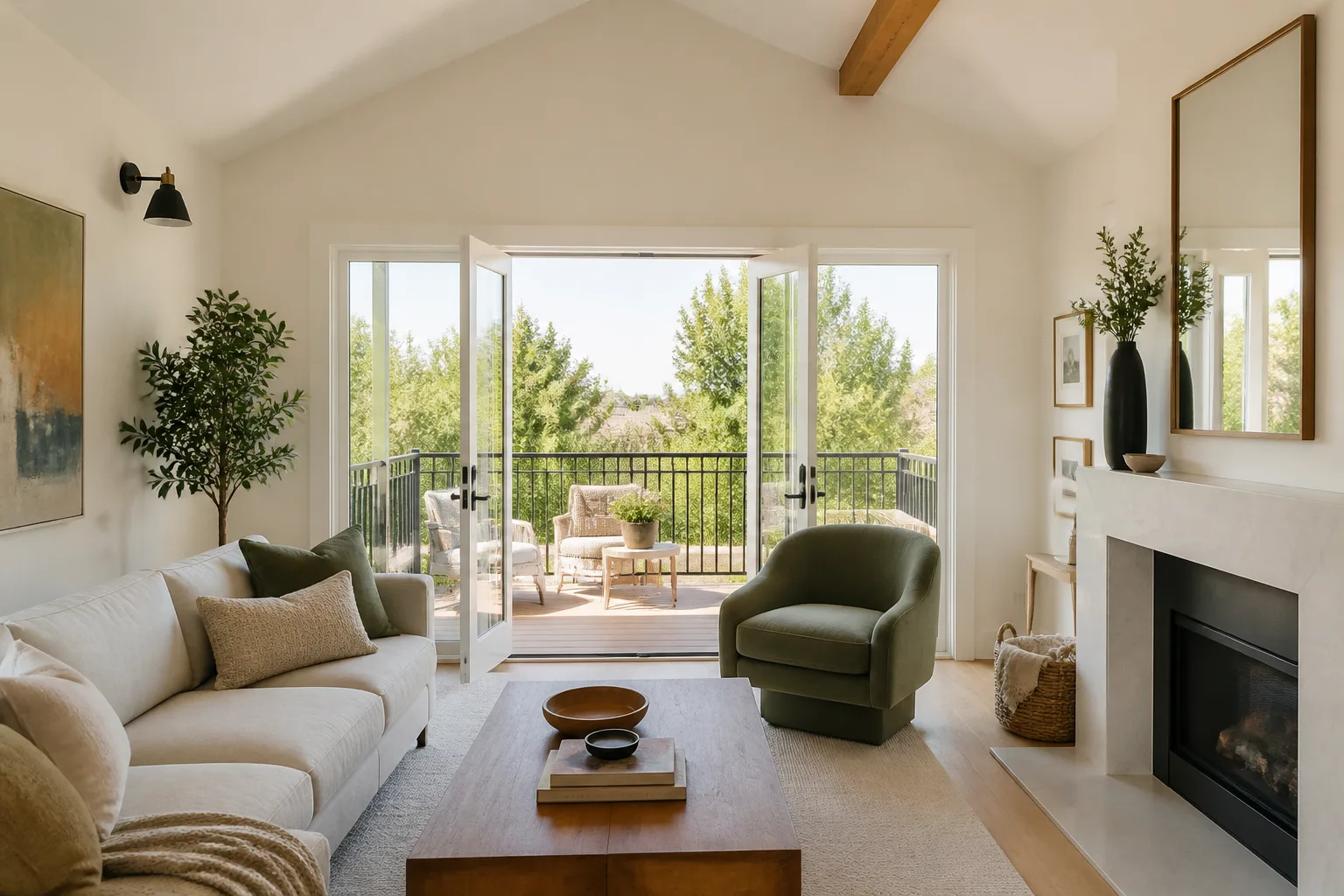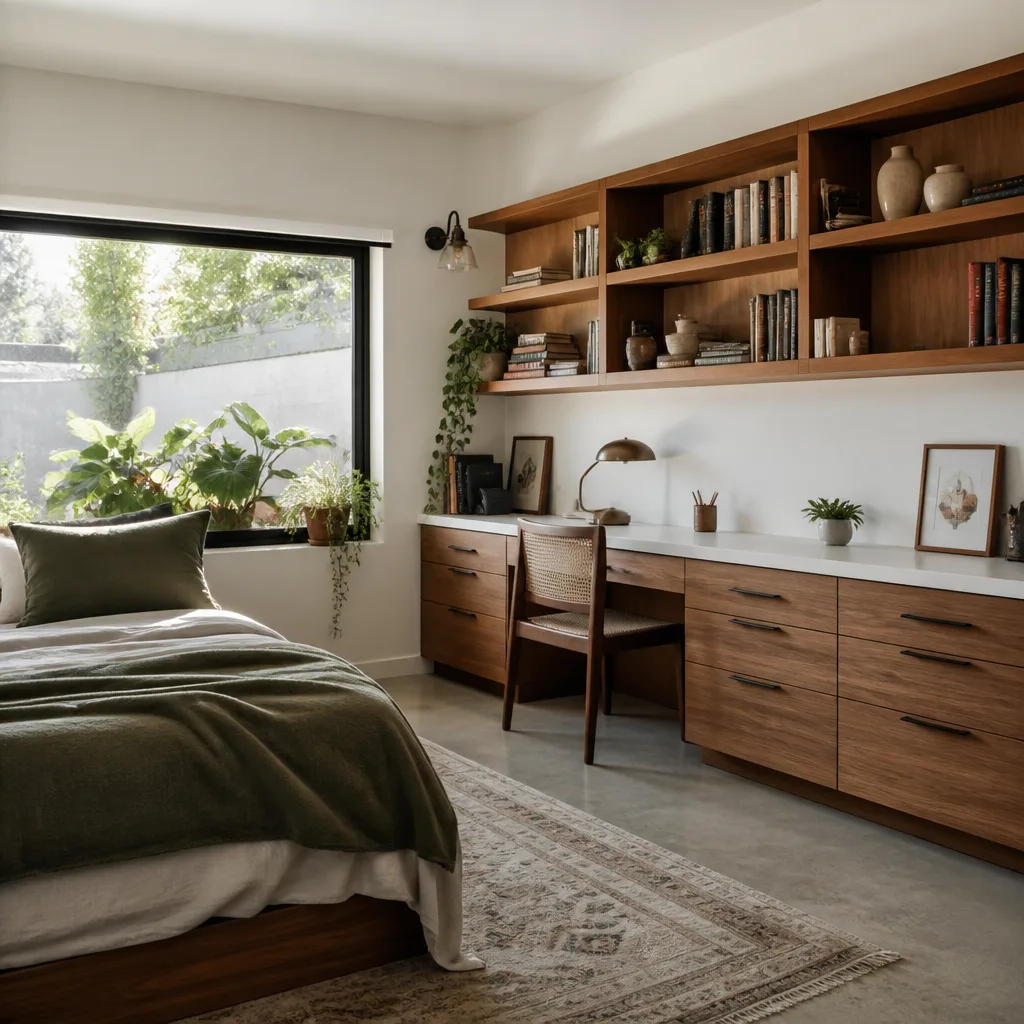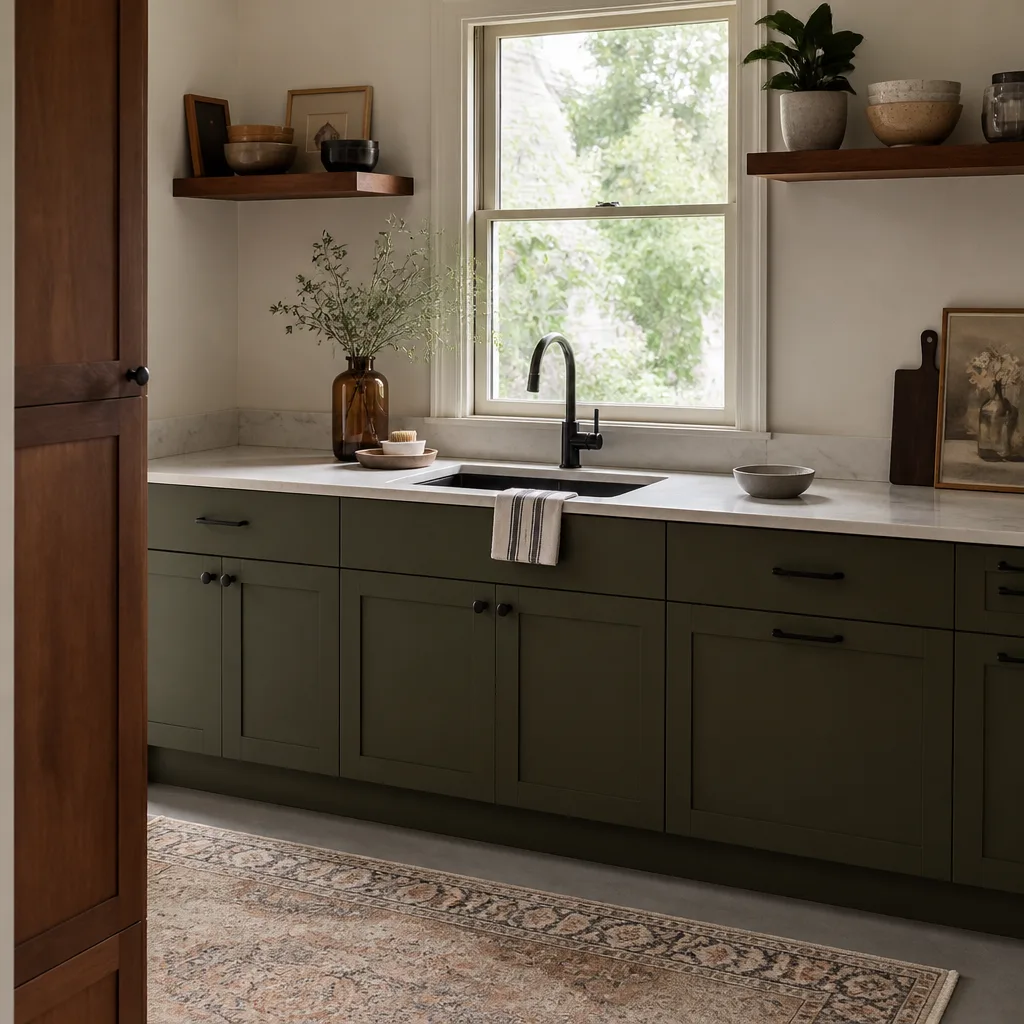
Plant Prefab New Detached ADU: The Las Vegas Owner’s Guide
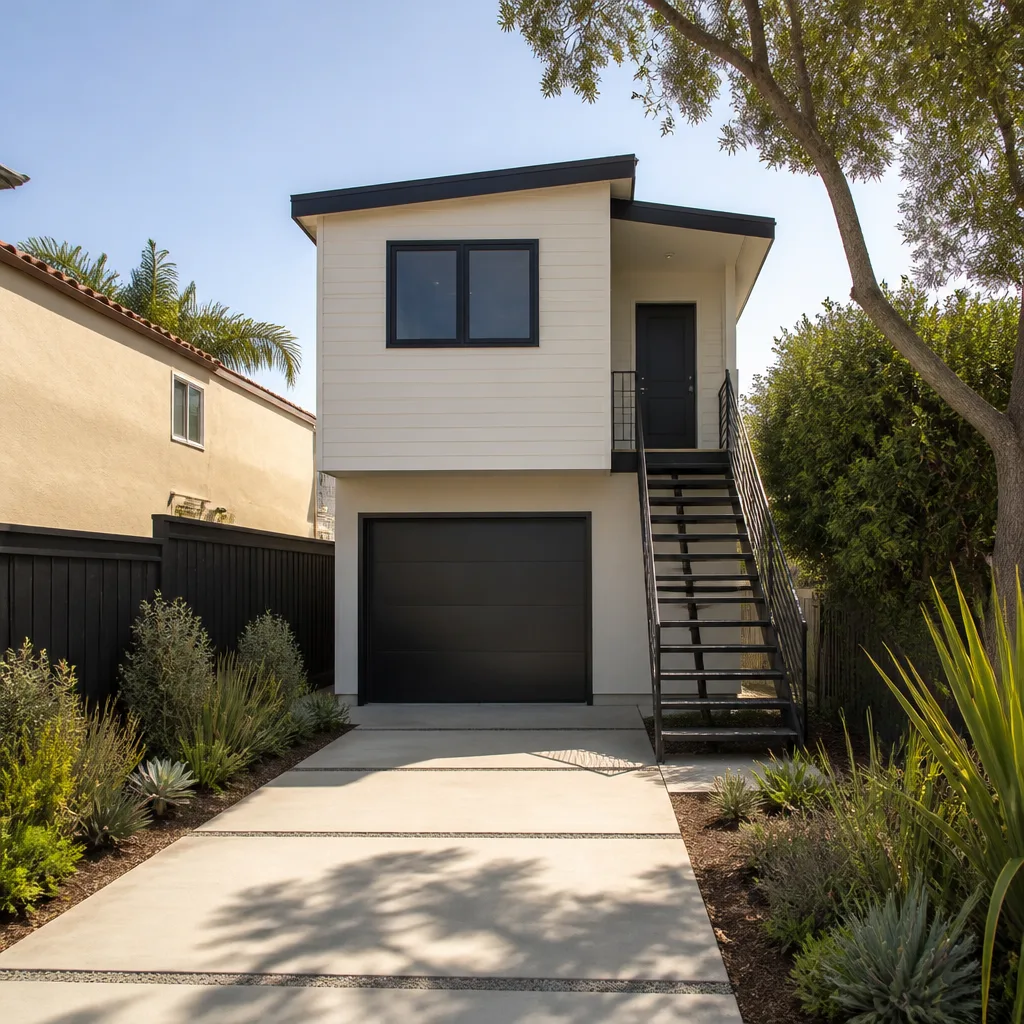
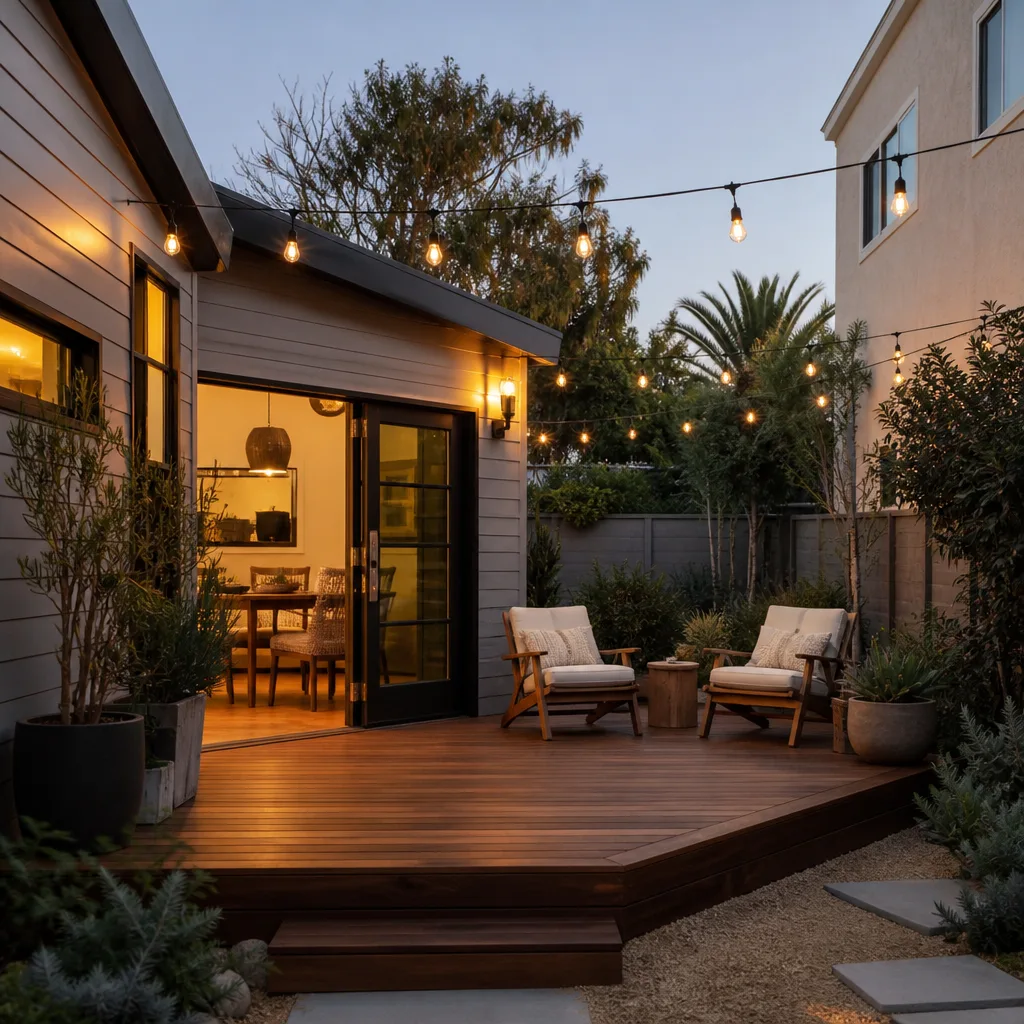
A Plant Prefab-compatible new detached ADU in Las Vegas typically wraps at $180,000 – $310,000 installed, depending on module size, site conditions, and whether the panel is a single Module or a Series 225 or Series 400 configuration. We’re an independent service provider, not affiliated with Plant Prefab, and we build and coordinate these units across the Las Vegas valley. Same-day diagnosis is possible; the install itself is a scheduled job, usually 3 – 8 weeks from permit release.
Owners rarely discover a failure on the part itself. They discover it through a symptom: a 6-mil vapor barrier that reads damp to the touch after a monsoon week, a panelized wall section that has bowed 0.5 inch out of plane against the foundation stem wall, a factory-installed threshold that no longer sits flush because the slab threw at the front door. The cadence matters here. Plant Prefab ships a documented panel system, and the failure points that show up in Las Vegas are almost always site-side rather than factory-side: soil movement, sun exposure on the west face, and the small tolerances that a prefab assembly demands from its foundation. We see plenty of these in Summerlin, Henderson, and the older lots inside the 215.
Key Takeaways
- Las Vegas pricing for a Plant Prefab new detached ADU runs roughly $180,000 – $310,000 installed.
- Panel and module compatibility depends on your model line; mislabeling is the most common ordering error.
- Most failures we diagnose are foundation and flashing issues, not factory defects.
- Every Ellery project gets a written price before work starts (Haven Standard, Clause 1) and a documented photo record on every visit.
Which Plant Prefab Models This Applies To
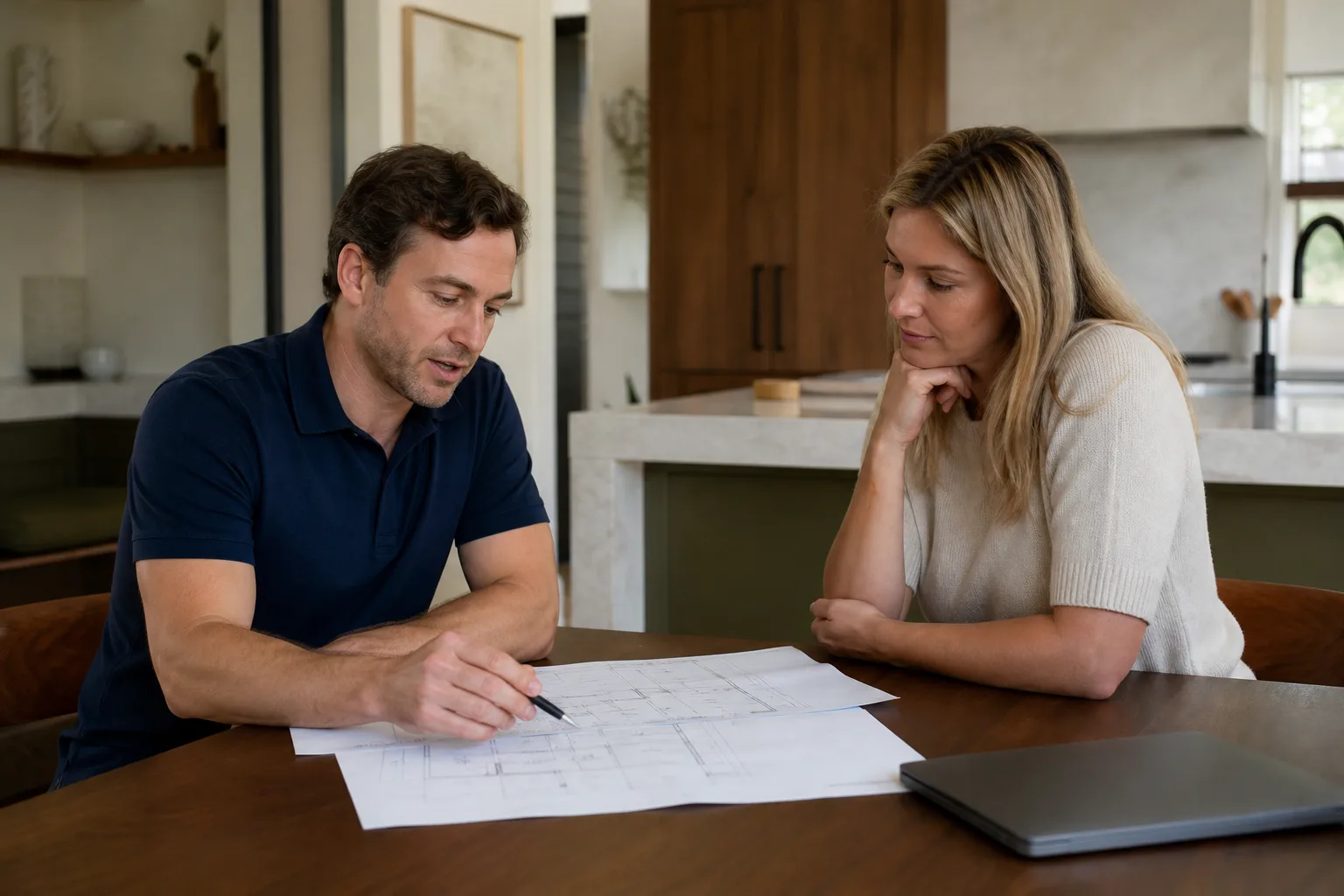
Plant Prefab delivers a few distinct product lines, and they don’t share parts. The LivingHomes line, the Series 225, the Series 400, and the single-module ADU configurations all use different panel widths, foundation anchor schedules, and utility stub-out locations. Before we order or specify a single piece, we confirm which line you have: the module label inside the utility chase, the panel ID stamped on the interior face of each wall section, and the foundation plan included in your factory documentation set. If you can photograph those three, we can match the part the first time.
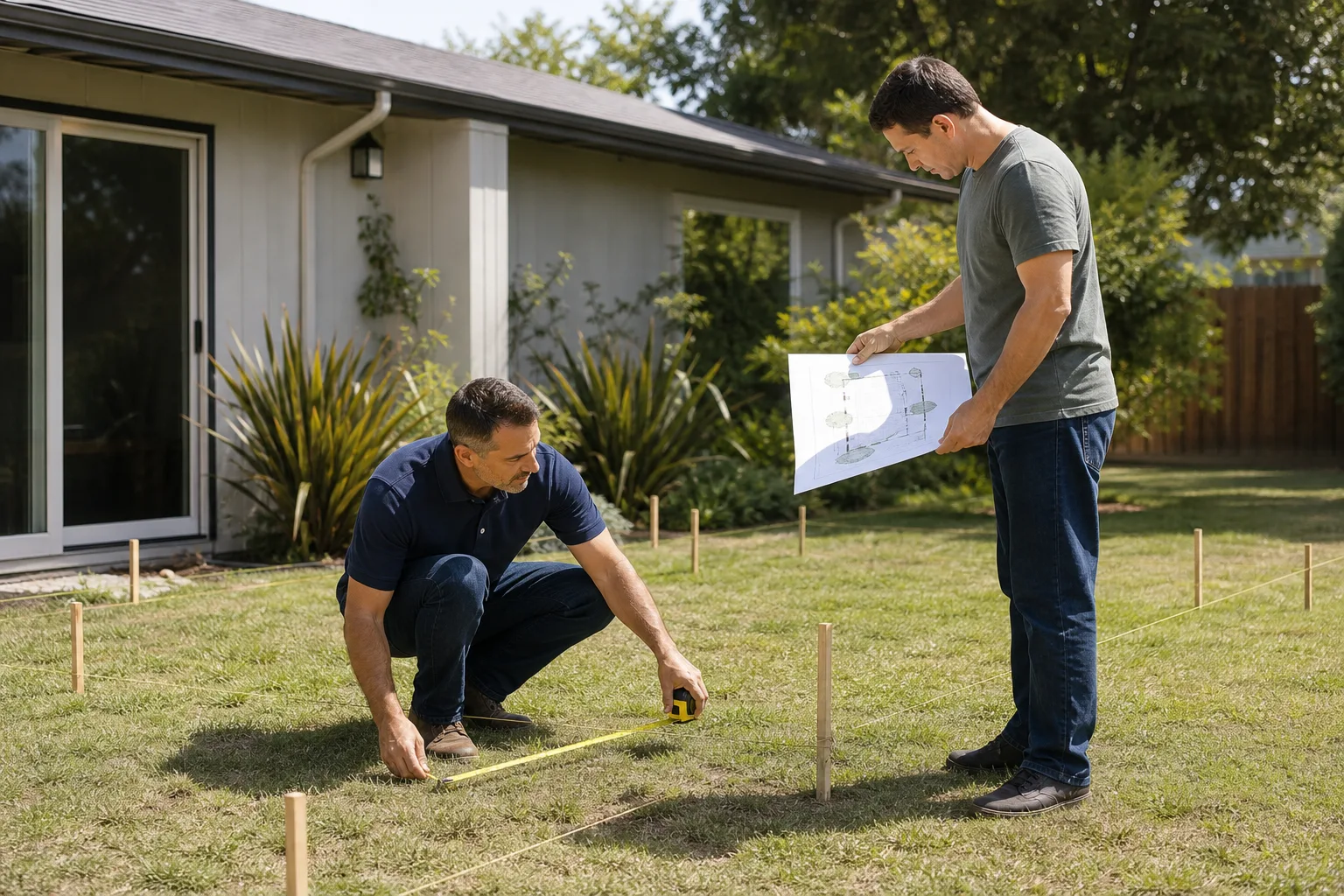
The Las Vegas gotcha is not the part number. It’s the foundation schedule. Plant Prefab’s panel systems assume a foundation tolerance of about 0.25 inch across the anchor plates. In Las Vegas valley soils, and especially on lots west of the 215 where caliche is shallow and expansive clays run deeper, that tolerance gets eaten fast by slab movement. A panel that fit correctly on the factory drawing will not fit correctly if the stem wall has moved 3/8 inch since pour. We measure before we order anything, and we put the actual number in writing on the scope, not a range.
On the OEM-versus-aftermarket question: for Plant Prefab, we specify factory documentation where it’s available and match to an equivalent spec where it isn’t, with the equivalent’s spec sheet attached to the written scope so you can see exactly what’s being substituted. There’s no guessing and no “close enough.” You’ll see the substitution in writing before work starts, and you’ll see it again in the documented photo record after.
If your unit happens to be one of the other prefab systems we specify – Abodu, Cover, or Dvele – the same diagnostic and written-scope method applies. The parts don’t interchange; the process does.
Signs Your Plant Prefab New Detached ADU Is Failing
These are the symptoms we find most often in the field. Each one points at a cause, not just an effect, and we diagnose the cause rather than patch the symptom.
- Visible dampness or efflorescence at the base of interior panel faces. The vapor barrier or flashing detail has failed at the panel base, and moisture is wicking up. In Las Vegas, this often shows after the first heavy monsoon or after a winter where a hose bib stayed pressurized.
- Door or window that sticks seasonally. Panelized walls move when the substrate moves. A door that sticks in July and swings free in January means the foundation or the anchor schedule has changed since installation.
- Cracks at panel-to-panel seams. Usually a joint that has lost its sealant because of thermal cycling on the west and south faces, where Las Vegas surface temperatures routinely push panel skin above 160°F in summer.
- Utility chase showing moisture or corrosion at the stub-outs. The penetration flashing has failed. This is the single most common water-intrusion path on prefab ADUs in the valley.
- Racking or out-of-plane bow visible against a straightedge. The connection between the panel and the foundation anchor has loosened. This one is not cosmetic; it affects structural performance and should be diagnosed before the next wind event.
If you can see two or more of these, the correct response is a documented diagnostic and a written scope, not a parts order. We photograph what we find, put the finding in writing, and quote the correction before anything gets touched.
Replacement Cost & What’s Included
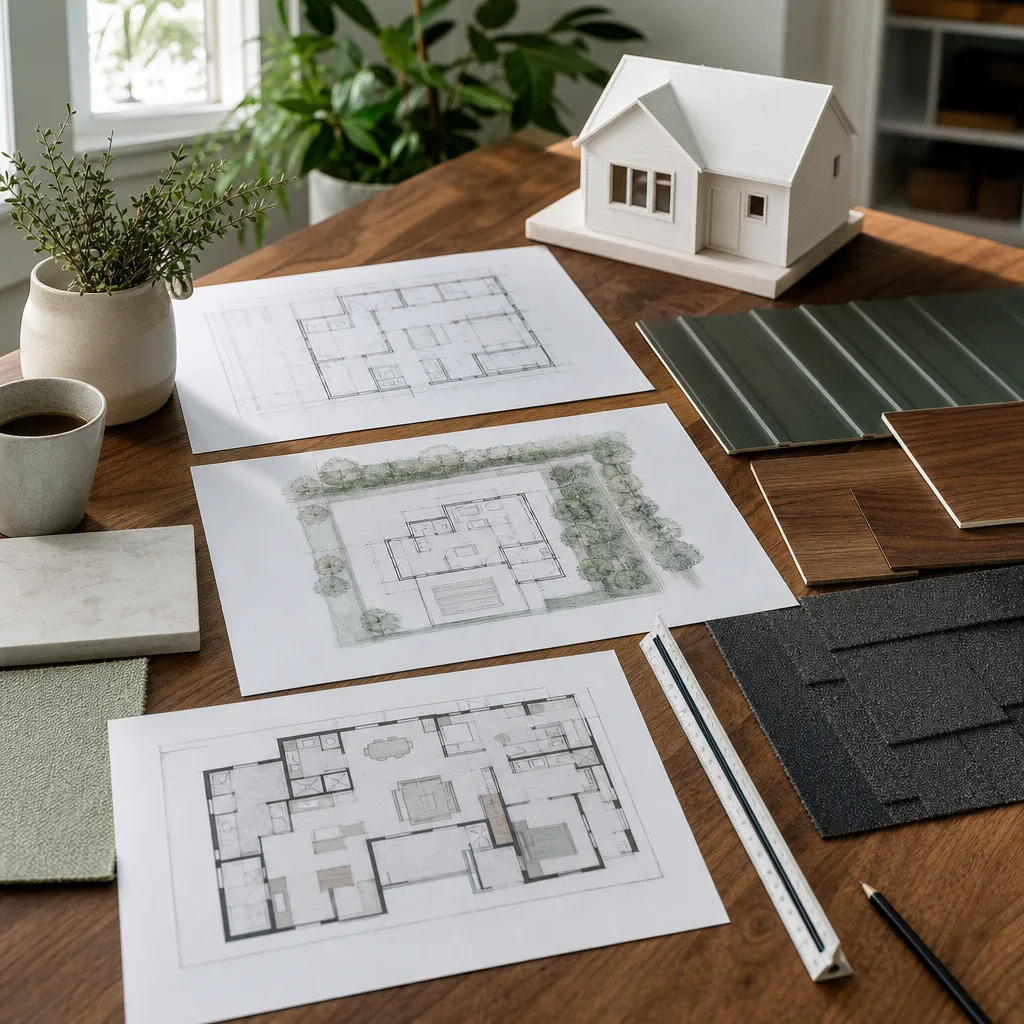
Installed part and repair pricing on a Plant Prefab new detached ADU in Las Vegas falls into these ranges. Every number below is written on a scope before work begins, per Haven Standard Clause 1. No verbal quotes, no “we’ll see once we’re inside.”
| Item | Typical installed range (Las Vegas) | What drives the number |
|---|---|---|
| Panel seam reseal (per linear foot) | $35 – $65 | Access, skin condition, sealant spec |
| Threshold / sill replacement | $850 – $1,900 | Slab condition, door size, flashing rebuild |
| Utility stub-out flashing rebuild | $1,100 – $2,400 | Number of penetrations, proximity to wet walls |
| Foundation anchor retrofit | $2,800 – $7,500 | Number of anchors, stem-wall access, soil class |
| Full diagnostic + written scope | Included with any project | Nothing – it’s the entry point |
The distance between the low and high ends is real, and we tell you which end you’re on before you sign. What we don’t do is quote the low end and invoice the high end. The scope locks at signing (Haven Standard, Clause 5 – No Surprises), and the written warranty covers the work we install.
DIY or Call Us?
Some owner checks are safe and useful: photographing the panel ID, checking the vapor barrier by touch after a heavy rain, and confirming the foundation plan in your factory documentation set. Those three pieces of information save us a return visit and cost you nothing.
Most of what actually fixes a failing Plant Prefab assembly is not a homeowner job. Anchor retrofits, flashing rebuilds, and utility stub-out corrections touch structural connections and water intrusion paths, and a bad repair on either one produces a worse outcome than the original symptom. We’ve seen DIY flashing patches that looked fine in October and let water into the panel core by July. If you’re not certain what’s under the sealant, call us.
If you already have a written estimate from another provider, we offer a Free Second Opinion at no charge. You’ll get the same evidence-first treatment: what we found, in writing, with photos. Call (866) 779-3194 for a free estimate on any Plant Prefab-compatible correction in Las Vegas.
FAQs
Twenty-five to forty years is a reasonable expectation for the panel assembly itself, assuming the flashing and sealant details are maintained. The parts that fail first in Las Vegas are almost always the seals, not the panels: heat on the west face, monsoon moisture on the south, and caliche-driven slab movement all accelerate seal degradation. Plan a re-seal cycle every 6 – 8 years. Call (866) 779-3194 to schedule a diagnostic on yours.
Yes, in most of the cases we see. A failed seam, a threshold, or a flashing detail is a repair, not a replacement, and the panel itself routinely outlasts the part around it. We don’t quote replacement until we’ve confirmed the panel core is compromised. Call (866) 779-3194 and we’ll tell you which of the two you actually need.
Most single-part corrections take one to three days once the part is on hand. Anchor retrofits run three to five days because of cure time. Our scheduling starts at the written scope, not at the verbal conversation, so you have the date on paper before the crew arrives. A free estimate will give you the exact window.
We source from factory documentation where available and match to a documented spec equivalent where it isn’t, with the substitution shown in writing on your scope. You see the spec before we order, and you see the delivery in the documented photo record after. There’s no “close enough” sourcing on a Plant Prefab assembly. Call (866) 779-3194 with your model label and we’ll start the match.
Written by the team at Ellery ADU Studio Las Vegas, serving Las Vegas and nearby areas.