What Is a Junior ADU in Las Vegas? The 500 Sq Ft Rule, the Deed Restriction, and the HOA Problem
A junior ADU (JADU) is a small attached dwelling unit of no more than 500 square feet, carved out of the existing footprint of your primary house, with an efficiency kitchen and its own separate entrance. In Las Vegas, though, the legal answer goes further than the size limit: a JADU cannot legally exist here without an owner-occupancy deed restriction recorded against the property, and that restriction travels with the title when you sell. Most JADU projects in the Las Vegas Valley succeed or fail on two questions before a single drawing is made: can you record the deed restriction, and does your HOA allow a new exterior door on the elevation you need it on. Call (866) 779-3194 and we’ll walk your specific address through both before anything is drawn.
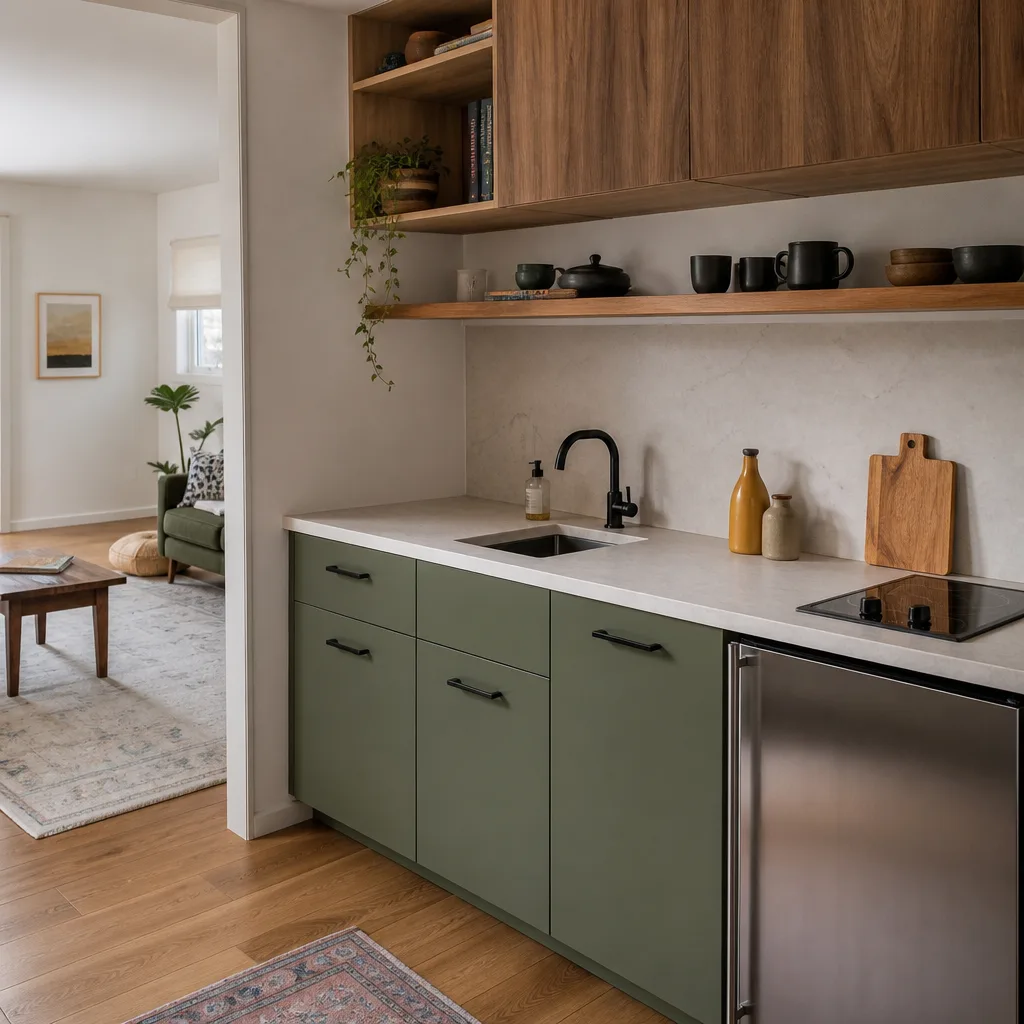
What a JADU Actually Has to Be Under Clark County Rules
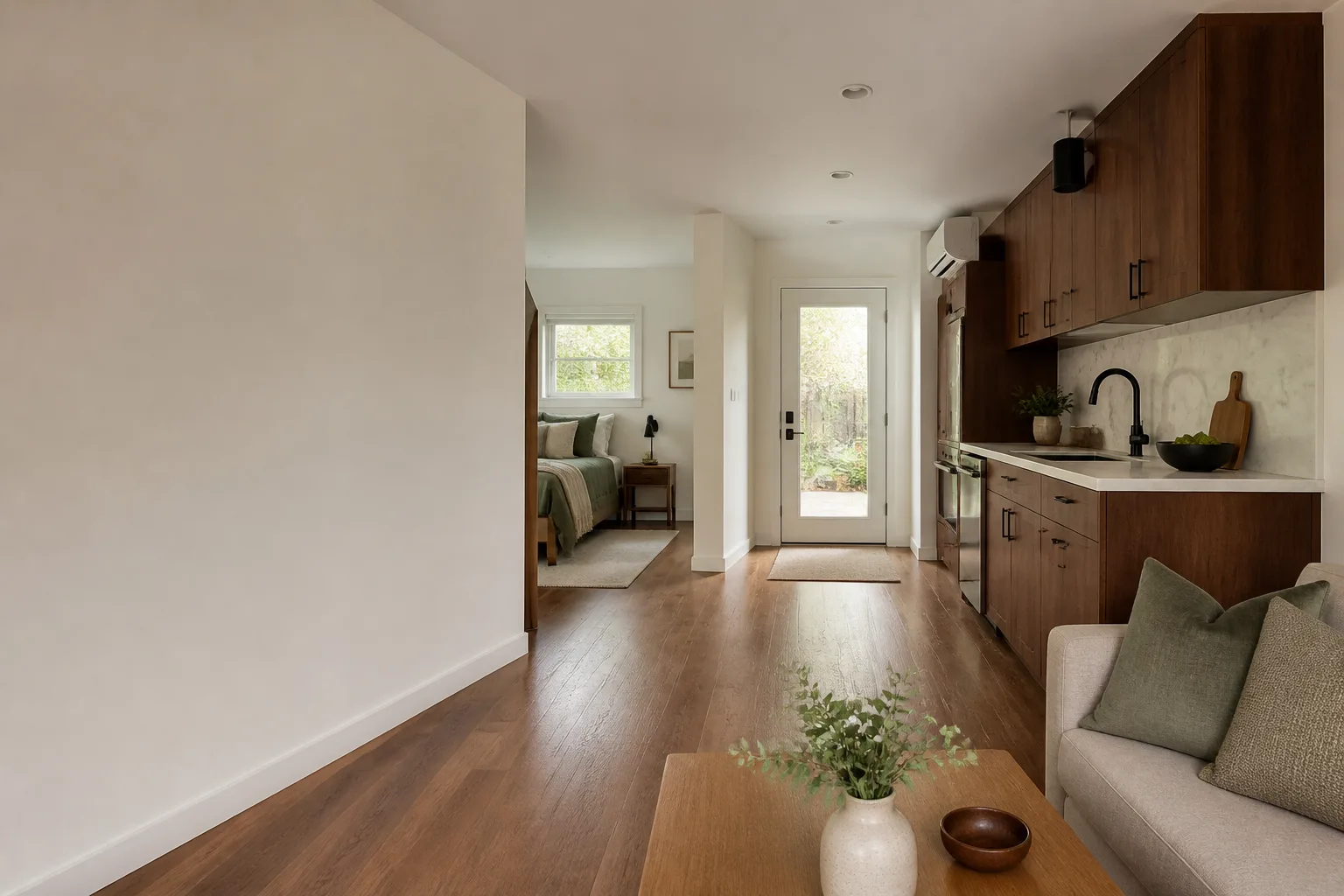
The definition is strict, and the constraints matter more than the square footage. A JADU is not a small detached ADU and it is not a guest suite with a hot plate. It has to be inside the walls of the existing primary structure, which means a converted bedroom wing, a reworked garage corner, or a section of a deep floor plan - not a new building in the backyard.
The working requirements we design to:
- 500 sq ft maximum. No exceptions, measured to the interior.
- Inside the existing primary structure’s footprint. You cannot add new square footage to create one. If the space doesn’t already exist, a JADU isn’t the right tool.
- Efficiency kitchen only. In most configurations that means no range requiring a hood ducted to the exterior - a cooktop, microwave, sink, and small refrigerator. The kitchen is what separates a JADU from a rented bedroom in the code’s eyes, so it has to be real.
- A separate entrance. The tenant enters without walking through your living room. In Las Vegas, where most homes are newer stucco-and-frame on slab, that entrance is usually cut into an existing exterior wall - which is where the HOA question starts.
Because the space already exists, a JADU is the least expensive path to a legal second unit in most cases. The trade-off is that you don’t get to choose your footprint. We measure what’s there - the slab, the wall assembly, the ceiling height, the existing HVAC - and tell you what the numbers mean before quoting.
Why the Owner-Occupancy Deed Restriction Is the Real Gate in Las Vegas
Here’s the part most “what is a JADU” explainers skip. Nevada ties the JADU to owner occupancy. The owner must live in the primary residence, and that commitment is recorded as a deed restriction against the property - it runs with the title, not with you.
What that means in practice:
- You can’t rent both units. The primary house stays your residence. The JADU is the rental.
- Selling doesn’t clear it. A buyer inherits the restriction. It shows up in title work, and it narrows your buyer pool to people who intend to live there.
- Refinancing and appraisals look at it. Lenders read deed restrictions carefully, and a JADU’s contribution to value is treated differently than a full ADU’s because of the occupancy tie.
- It’s recorded, not promised. The restriction is a document filed with Clark County. If a project team can’t explain how and when that document gets recorded, they haven’t done this before.
This is the single biggest reason Las Vegas homeowners who want a long-term rental asset end up choosing a full detached ADU instead. A JADU is a home-with-a-rental; a detached ADU is a rental you happen to live next to. Both are legitimate. They answer different questions.
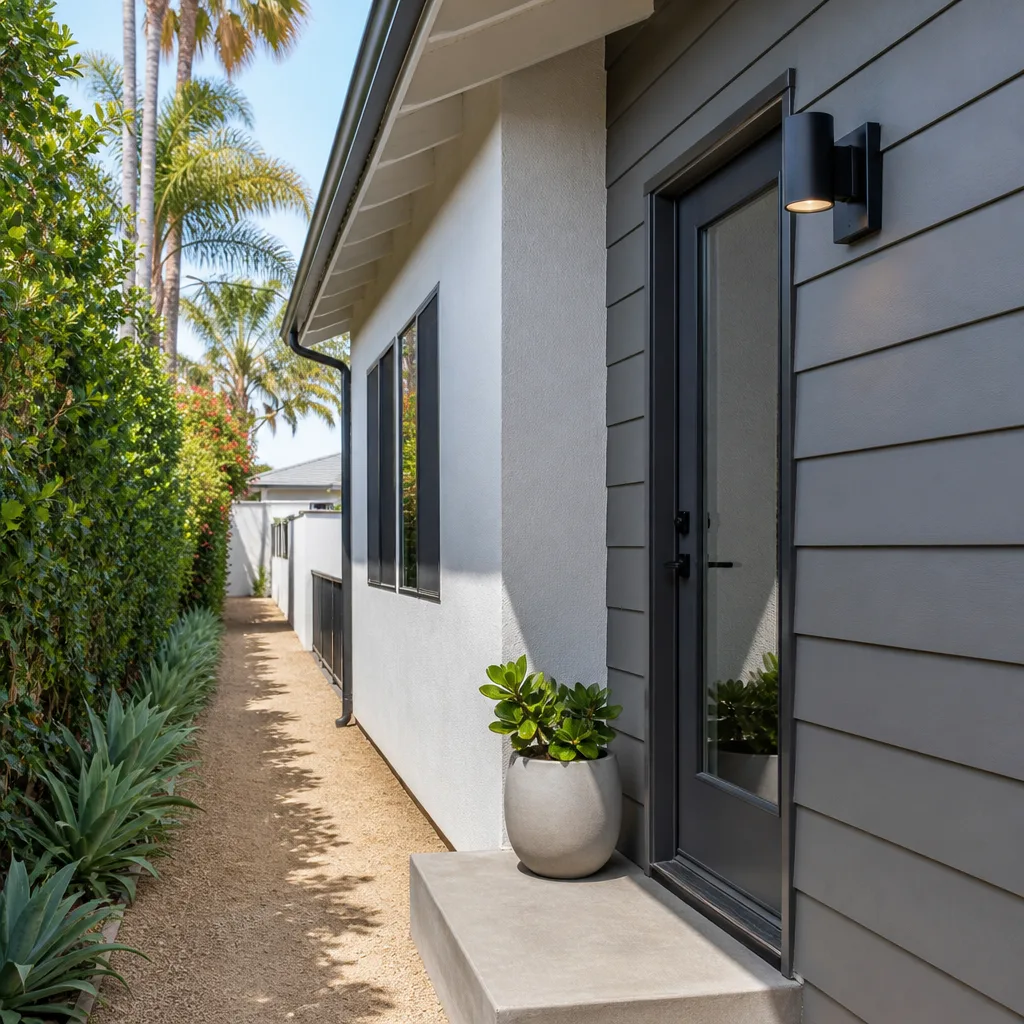
The HOA Exterior-Entrance Problem in Las Vegas Master-Planned Communities
Most Las Vegas homes sit inside master-planned communities, and most of those CC&Rs were written long before anyone in the neighborhood had heard of an ADU. The clause that bites is the one governing exterior alterations visible from the street.
Cutting a new front door into a street-facing elevation is prohibited by the architectural rules in most of these communities. That doesn’t kill a JADU - it relocates it. In practice we route the separate entrance to a rear elevation or an interior courtyard, which usually works, but it changes the floor plan, the path of the entry, and sometimes which room can become the unit. A side yard behind a block wall is the cleanest answer when the lot allows it; narrow side yards on smaller lots sometimes don’t.
We read your CC&Rs and the Clark County code requirements together before we issue a written quote, so you learn whether a JADU is viable on your specific property before you spend money on drawings. That’s the whole point of the sequencing. Under Clause 1 of The Haven Standard, the price is written before any work starts, and the HOA and deed-restriction answer arrives before the drawings do.
JADU vs. Full ADU vs. Interior Conversion: A Decision Framework
The three options share a family resemblance and almost nothing else. Here’s how they actually compare for a Las Vegas property, including the ranges we quote.
| Option | Typical all-in range | Permit pathway | Best fit |
|---|---|---|---|
| Junior ADU (JADU) | $95,000-$165,000 | Within existing footprint, owner-occupancy deed restriction recorded, HOA architectural review; simplest plan check | You’ll live on-site long term and want rental income from space you already own |
| Interior conversion ADU | $130,000-$210,000 | Attached to existing structure, full kitchen, no occupancy restriction | You want a full unit with a real kitchen and the flexibility to rent both someday |
| Detached ADU | $180,000-$320,000+ | Separate structure, site prep, utilities trenched out, full plan check | A long-term asset, maximum rental value, and no occupancy tie |
Those numbers are all-in: drawings through final inspection, single contract, single written price. If you’re weighing a JADU against a conversion, the fuller comparison lives on our Junior ADU & Interior Conversion page, and the local overview is at Junior ADU & Interior Conversion in Las Vegas.
One local factor shifts the math toward doing it right the first time. Las Vegas ADUs have to be engineered for sustained 110°F+ summers and the July-September monsoon, which drives up cooling loads and calls for shading, reflective roofing, and often a separate HVAC system for the unit. A JADU inside the existing envelope can sometimes share the house’s system if a load calculation supports it - but that’s a calculation, not an assumption. Water is the other fixed cost: Southern Nevada’s conservation rules mean virtually no lawn, so the unit needs its own drip-irrigated desert landscaping or hardscape. Both lines show up in the written scope, not as a surprise later.
How We Handle JADUs Differently
Ellery ADU Studio Las Vegas is a design-build studio, not a contractor. The drawings, the permit set, and the construction are one contract at one written price. On a JADU, that structure matters more than usual, because the two failure points - the HOA door and the recorded deed restriction - sit on opposite sides of the designer-builder line. When one party draws and another builds, each can point at the other. There’s no gap to point across here.
We’ve designed, permitted, and built 900+ ADUs since 2015, which is the year California’s ADU permitting landscape shifted and the year we started treating the permit set as the product rather than paperwork. That matters in Las Vegas because the JADU code pathway is where projects get stuck, not the framing. Every project runs on The Haven Standard: a written price before work starts, a documented photo record on every visit, and a 365-Day Done Right Promise backed in writing - if the finished ADU isn’t built to the permitted drawings, we make it right. We also coordinate prefab and modular systems from Cover, Dvele, and Mighty Buildings within that same single contract when a property calls for one. Our technicians have up to 11 years of experience, and when we’re on site we tell you what we found, not how it felt: the existing wall assembly, the HVAC load, the setback variance the city requires between the unit and the property line.
FAQs
No. A JADU is capped at 500 square feet, must sit inside the existing footprint of the primary house, has an efficiency kitchen rather than a full one, and carries an owner-occupancy deed restriction. A full ADU can be larger, can be detached, has a complete kitchen, and doesn’t tie you to living on the property. Call (866) 779-3194 for an exact quote on either - estimates are free.
Not legally, and this is the detail that surprises people. The recorded owner-occupancy restriction requires you to live in the primary residence, so the JADU is the rental and the house is your home. If renting both units is the plan, a detached ADU is the more honest structure. Call (866) 779-3194 and we’ll tell you which path fits your address before you commit to drawings.
It can, and it often governs where the door goes rather than whether you can have one. Most Las Vegas master-planned CC&Rs prohibit new exterior doors on street-facing elevations, so the entrance usually routes to a rear elevation or interior courtyard. We review the CC&Rs alongside the Clark County requirements before quoting.
Yes. It’s recorded against the title and runs with the property, not with you. A buyer inherits it and must intend to occupy the home. That narrows your buyer pool and affects how lenders view the unit, which is why we flag it in writing before any work begins. Call (866) 779-3194 for an exact quote - estimates are free, and a free second opinion is available on any written estimate you already have.
If you’d rather have your address looked at directly, Ellery ADU Studio Las Vegas offers a no-pressure assessment in Las Vegas - call (866) 779-3194. We answer live, 24/7, and you’ll get the HOA and deed-restriction answer in writing before you spend a dollar on drawings.
Written by the team at Ellery ADU Studio Las Vegas, serving Las Vegas, NV.